Monday, 30 April 2012

Using New Methods

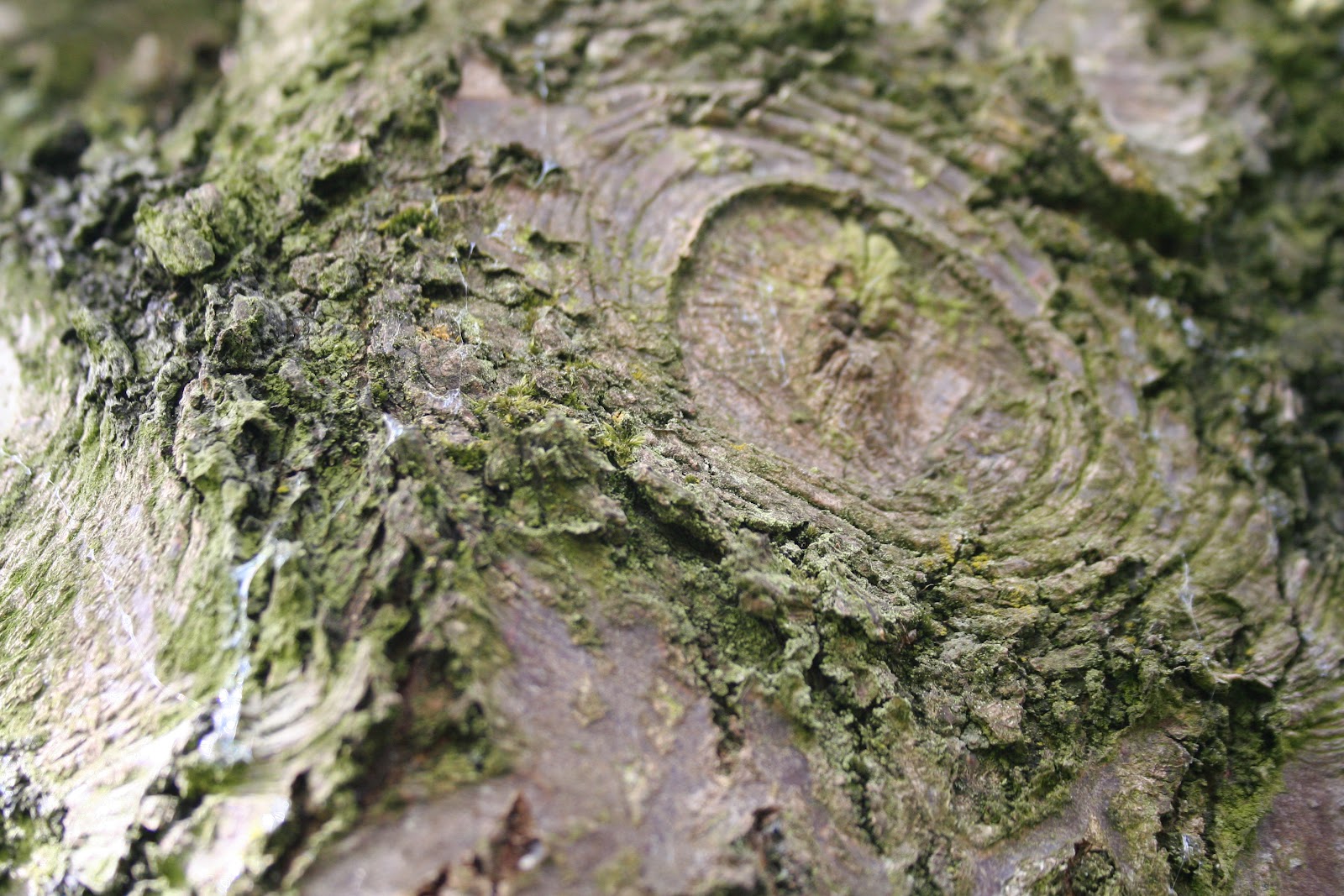
During a sessions at college I was shown a technique by one of my tutors that involved transferring a photocopied image onto acetate and then taking this image and projecting it across a table using and overhead projector. This method has enabled me to enlarge the image and also create interesting and abstract patterns.


A pattern formation using my acetate photograph.


The photograph above was created using a thin wooden stick and simply tracing over the fine detail of the image that was being projected over the table. I did this as I wanted to get a feel for drawing all the intricate lines and marks on the tree bark. I then went on to develop this idea further.

My piece developed further.


This particular piece was created using the same method as the top piece but instead of leaving it plain I wanted to give this piece more layers and textures. I have used material and thread of similar colours to the bark and leaves of a tree to establish a link between my subject matter and my own art piece. I think this works well as it gives the piece more of a textural feel rather than a flat piece. I then decided to cover the whole piece in sellotape, I did this as i wanted the viewer to feel curious of what the piece felt like to touch and fee and also upon feeling the piece the noises that develop through touch.

Further Experimentation

Further development of one of my pieces


Here I have started to develop one of my sketch book pages, the first thing I did was to take a piece of the dried pva glue and cut out a square window from my book. I did this as I wanted to be able to see the transparency of the glue and also the two different sides of the piece. I've started to work into this piece by stitching strips of different material onto the top. This piece could be further improved by more layers and also a few contrasting colours over the top work with the green and brown tones in the background.

Experimentation

After taking a group of photographs, my aim was to experiment in a wide range on different materials to create a series of mix media piece. 

Materials used were:
  • pva glue
  • cling film
  • tissue
  • ink
  • string
  • silk
  • paint
  • text pages from a book
  • woven material
  • graph paper
My aim with these pieces were to capture the contrast between rough and smooth, thin and thick, transparent and opaque. My next step is to combine these pieces with a range of textiles materials to create more layers. I also intend to investigate the possibility of using descriptive language and text with my work.


Monday, 16 April 2012

Texture/Decay Photographs

These are a selection of photographs I have taken over the holiday. I hope to capture the way in which time effects the natural objects we see around us every day. I think I achieved my aim as in these picture you can see a wide variety of layers, colours and textures.


Thursday, 29 March 2012

Textile Research.

After the advice from my pitch one task I have set myself is to find some Textile Artists that I like and could influence my work. I will also look at Artists that use elements that I want my work to contain.
The thing I am looking for are:

  • Rich colours
  • Textured pieces
  • Use of range of materials e.g wide range of fabrics.
  • Use of different methods e.g. felting painting embroidery. 
  • Subject matter, skulls, found items, textured items.


Alison King- First website I found this Artist on.
Trapped in the peat


"I am looking at the abandoned peat workings and how the distinctive layers trap remnants of past lives -skeletal, ferrous, fibrous. I am fascinated ,not only by the rich colours and texture of the peat but also its historical importance to a past way of life when it provided a source of warmth to an impoverished community." Taken from the website linked above, this section of the text grabbed my attention as she mentions items of past lives that have been trapped. This interests me as one focus of my project is skeletal remains and items that have ended up in a certain place as a result of time. Alison King works in a range of methods from stitching to felting and from painting to dying fabric, this is one of the many reasons her work appeals to me. I also like the way she works with really rich colours.

Pitch Feedback

Once I had completed my pitch the tutors gave me some points for me to focus on and take into consideration how they might help me.

  • Explore many pathways e.g.moving image, textiles 3D
  • Incorporate all these pathways as one and think about the possibility of creating a mix media piece.
  • Don't be afraid to explore contextual research from other pathways. e.g. research art its that use light/sound.
  • Research a lot more into the textile field more and the method available to you.
to make these point valid I intent to focus for a while on contextual textile research. I am hoping this will give me more starting points for my work to develop and will also help me understand in greater depth the field I want to study in.

Tuesday, 27 March 2012

Pitch Idea Three

After a discussion withh a different tutor I have decided to inclued a third idea and it was discussed that there was always a current theme running through out my book. This was textural paintings and surface textures. To manipulate this idea to adapt to my inital theme I came up with the idea of Time/Debris Decay and Decompose.

As this Idea was only thought of a few days ago I have been unable to create any experimentation work but I have been able to take some photographs which fit into the three catogories above.


My mind map.


A page from my journal that
notes the advice from my tutor.


Below are the set of photographs I have taken with my three words in mind.


To develop this idea further I colud take these photographs into textiles by using a wide range of materials and methods to create textural pieces.
  • Burning paper
  • Using the heat gun to create different effects on different materials
  • Felting
  • Weaving using a range of materials and/or found objects
  • Wax